

BTO and HDB renovation guides
The rules and the sequence, written from primary sources rather than repeated from other renovation blogs.
Start here
 HDB renovation permit: what needs one, who applies and how long it takes
 HDB renovation time: permitted hours, quiet days and completion deadlines
 Optional Component Scheme HDB Optional Component Scheme: should you opt in or opt out
 HDB renovation guidelines: what is allowed, what is banned and why
 BTO renovation timeline: from key collection to moving in
 HDB renovation loan: how much you can borrow and what it covers
 HDB renovation ideas that survive contact with the HDB rules
Why these guides carry dates
Every rule in these guides is quoted from a primary source, usually HDB, and carries the date it was read. Every cost figure is attributed and shown as a range, never as a quote: reported BTO fit-outs run S$25,000 to S$65,000 depending on flat type.
Renovation advice has a habit of repeating figures until they sound official. Every rule in these guides is quoted from a primary source, usually HDB, and carries the date it was read.
How the figures are handled
Every cost figure is attributed to the dataset it came from and shown as a range. Where two sources disagree, both appear rather than being averaged into one number that belongs to nobody.
The full method is on where every number here comes from.
Permitted renovation hours, as HDB publishes them
Sources MyNiceHome by HDB 2026-08-31
How these guides are organised
Each guide covers one decision rather than one topic. The permit guide answers what needs approval, the hours guide answers when work can happen, and neither wanders into the other.
Does this work need an HDB permit?
Sources HDB 2026-08-31HDB building works 2026-08-31
That is deliberate. Renovation questions arrive one at a time, usually urgently, and a page that answers three of them answers none of them quickly.
What every guide has in common
A rule quoted from its primary source, a link to that source, and the date it was read. Where a figure exists, it is a dated range from a named publisher rather than an estimate.
Where no source publishes an answer, the guide says so instead of filling the gap. That happens more often than most renovation content admits.
What is deliberately missing
There is no guide to choosing a colour scheme, and no list of trends. Those pages exist everywhere already, and none of them turn on a rule we can cite.
These guides cover the parts of a renovation where being wrong is expensive: permits, hours, contractor eligibility, and what published cost figures actually mean.
Get a free quote
Tell us the flat type and when you collect keys. You get a scope discussion and an indicative cost band within one working day.
or email hello@btorenovation.sg
How to use these guides
Start with the decision in front of you rather than the topic. If you are choosing a contractor this week, the permit rules can wait a fortnight.
Each guide states the rule, links the source, and gives the date it was read, so you can check anything here against HDB directly rather than taking our word for it.
Where each guide gets its facts
Rules come from HDB and MyNiceHome. Cost figures come from named publishers or from single documented projects whose scope is stated, and each carries the date it was read.
How to read a guide on this site
Each guide opens with a short answer carrying the figure or the rule, then explains what it means in practice, then lists the sources it came from.
If you only need the rule, the first block is enough. The rest is there for when a contractor tells you something different and you want to know which of you is right.
What the guides deliberately avoid
Estimates presented as facts. Where no source publishes a figure, the guide says so rather than filling the gap with a number that sounds plausible.
That happens more than you might expect. There is no published cost band for a 2 room BTO renovation, and no whole-bathroom band we would stand behind.
When these guides were last checked
Every rule carries the date it was read from its source. HDB updates its guidance, and a page that quotes it without a date cannot tell you whether it is current.
The order these guides are meant to be read in
What the guides are describing
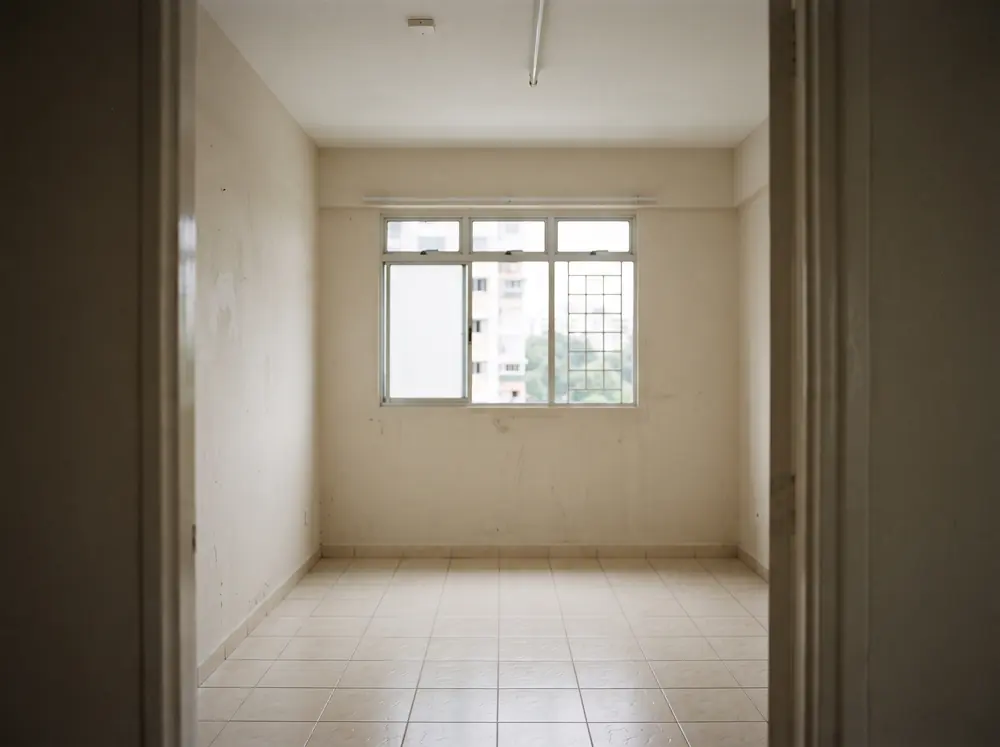
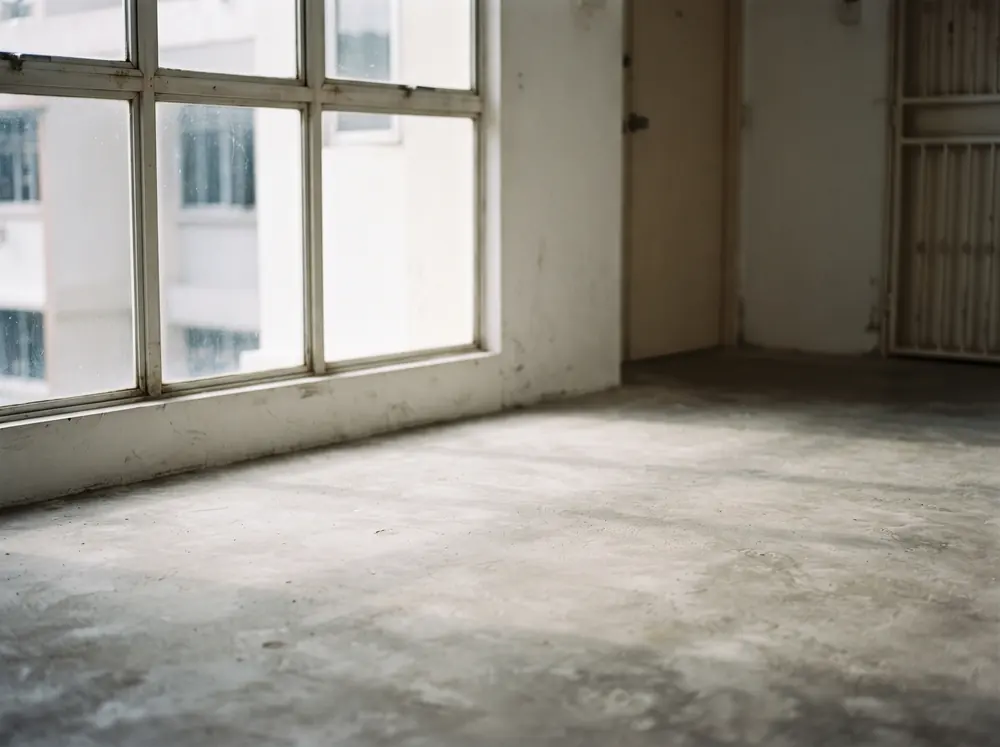
A bare room at handover, before any fit-outGenerated illustration
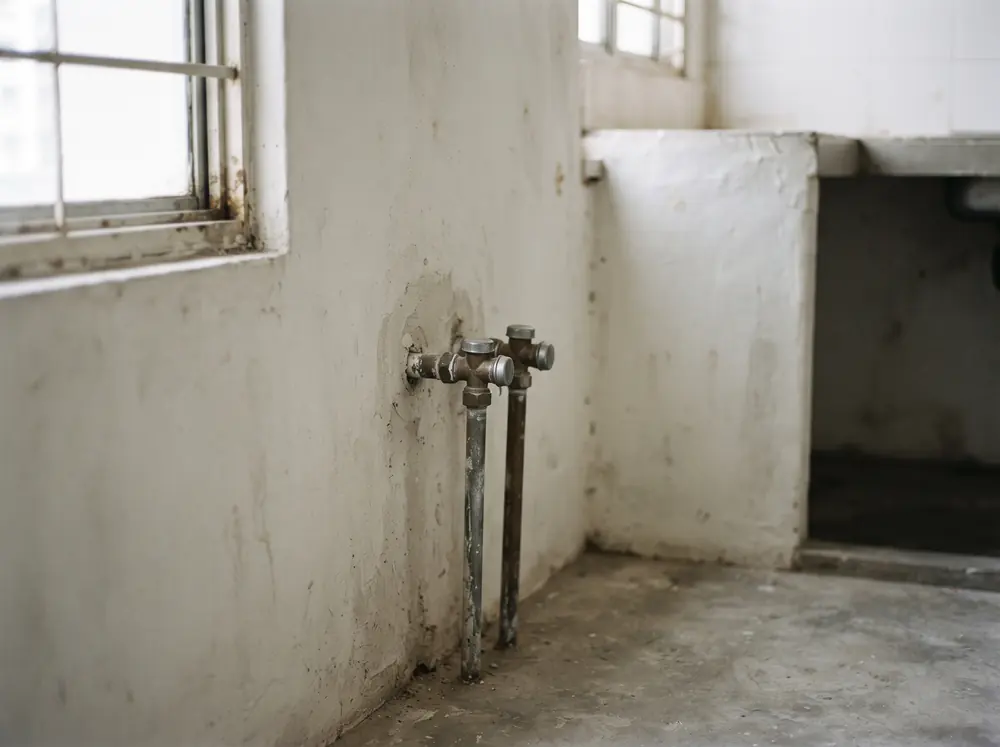
Capped plumbing stubs on a bare kitchen wall

Unmarked material sample cards
Generated illustrations of bare, pre-fit-out interiors. No photograph on this site shows work performed by us.
Renovation questions arrive in a fixed order, whether or not anyone plans for it, and these guides follow the same order.
Before keys
The Optional Component Scheme, because it is decided at booking and cannot be revisited. Then cost, so the scope is sized before anyone is asked for a number.
At handover
The permit, because nothing regulated starts without it, and the contractor register, because only a listed firm may do the work at all.
During the work
Permitted hours and the guidelines. These are the two most argued-about topics on site and the two most often quoted incorrectly.
Throughout
The timeline, which ties the rest together: 3 months in a new block, 1 month in an existing one, counted from the day the permit is granted.
Get a free quote
Tell us the flat type and when you collect keys. You get a scope discussion and an indicative cost band within one working day.
or email hello@btorenovation.sg
Which sources these guides use, and why
Not all sources are equal, and the guides treat three kinds differently rather than blending them into one voice.
Primary: HDB and MyNiceHome
Every rule comes from here, quoted and linked, with the date it was read. If HDB and a renovation blog disagree, HDB is the answer.
Secondary: named cost publishers
Reported ranges from publishers who state their method and their date. These are shown as ranges, attributed, and never averaged together.
Documented single projects
Individual fit-outs whose owners published their line items. These are the most useful figures on the site because the scope behind each one is stated.
They are also the least generalisable, so they are always labelled as one project rather than as a market rate.
Why a renovation guide should show its working
Renovation advice has a habit of repeating figures until they sound official. A number copied between blogs for three years is not more true for having travelled.
What a dated source buys you
The ability to check. HDB updates its guidance, cost publishers revise their samples, and a page that quotes either without a date cannot tell you whether it is still current.
Every rule in these guides links to the page it came from, with the day it was read printed beside it.
What an attributed range buys you
Context for a quote you have been given. A range from a named publisher, with its method and date, tells you whether a number is unusual and in which direction.
An unattributed average tells you nothing, because you cannot tell which projects it sampled or when.
And where the gaps are
Stated plainly. No source we hold publishes a 2 room BTO cost band or a whole-bathroom band, so those pages say so instead of filling the space.
That is less satisfying than a number, and it is the honest position. A figure invented to fill a gap is indistinguishable from a sourced one once it is on the page, which is exactly why it does not belong there.
Checked against primary sources · updated 2026-09-01